

telefoni
telefoni
The President of Uzbekistan Shavkat Mirziyoyev put forward new initiatives to address climate and environmental challenges in Central Asia

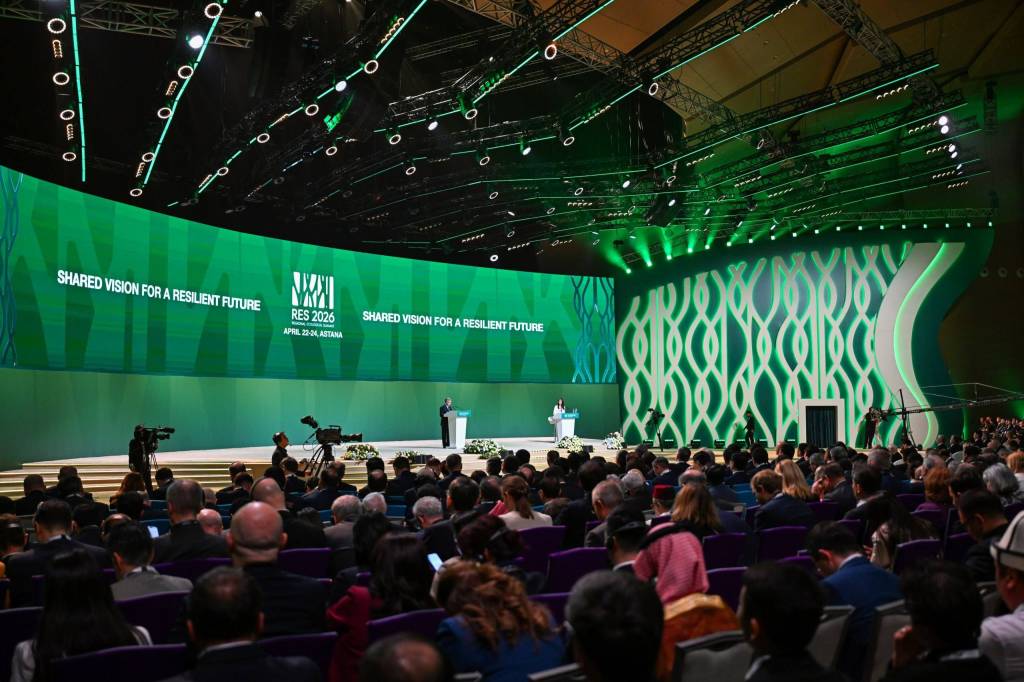
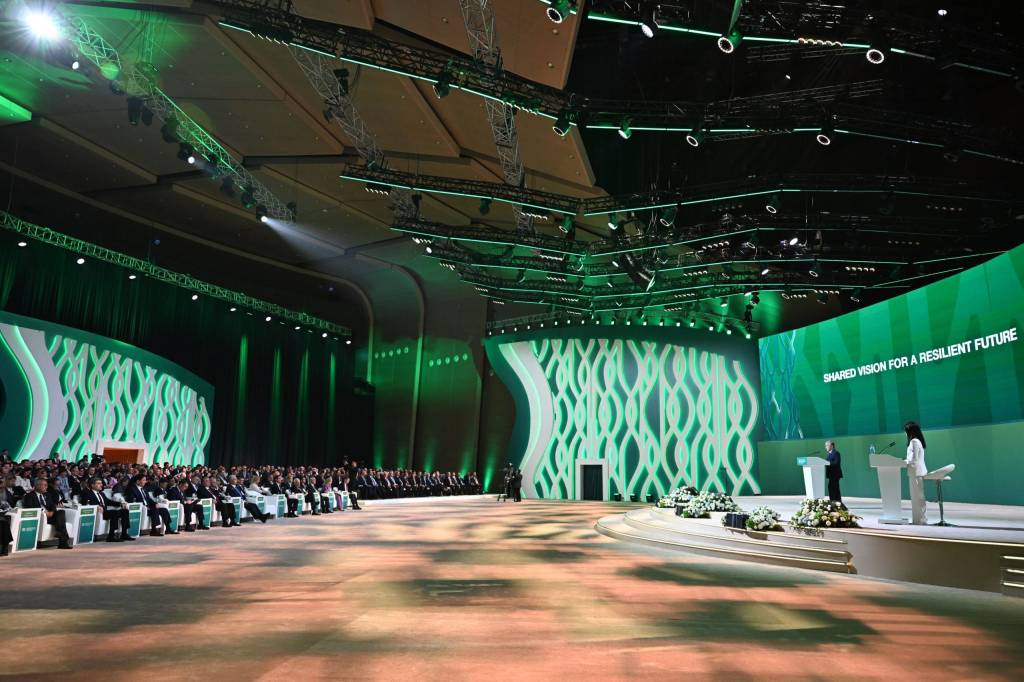
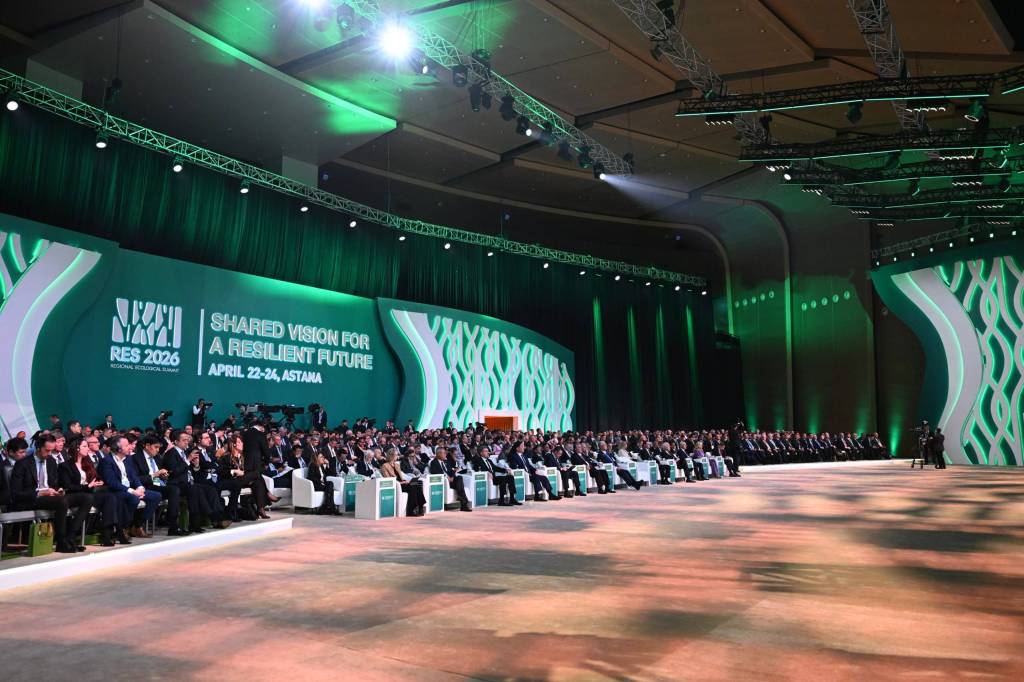
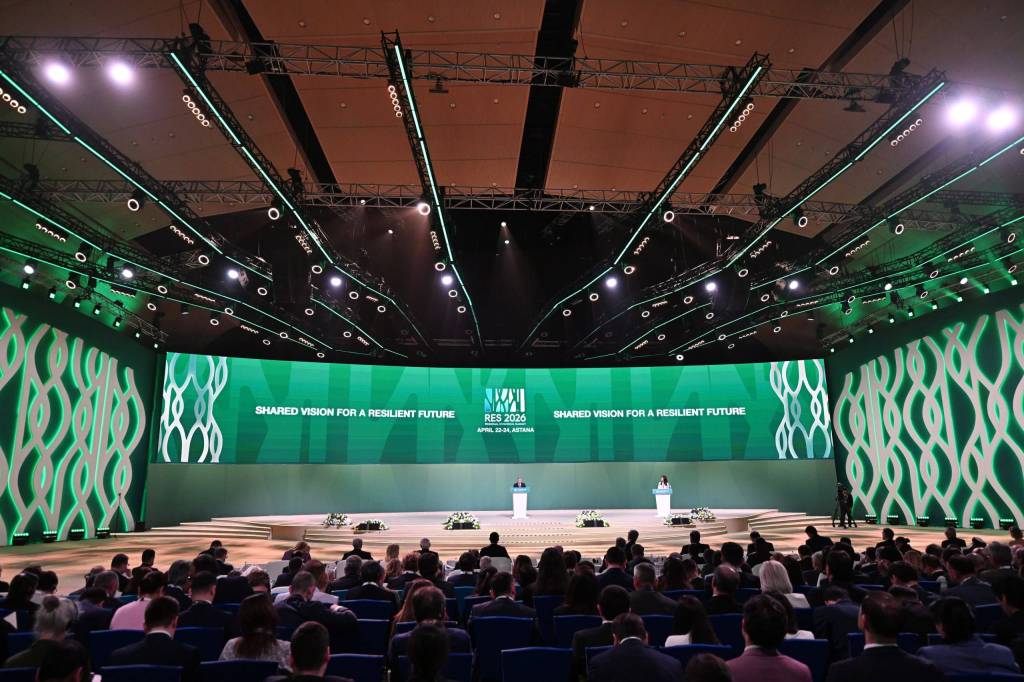
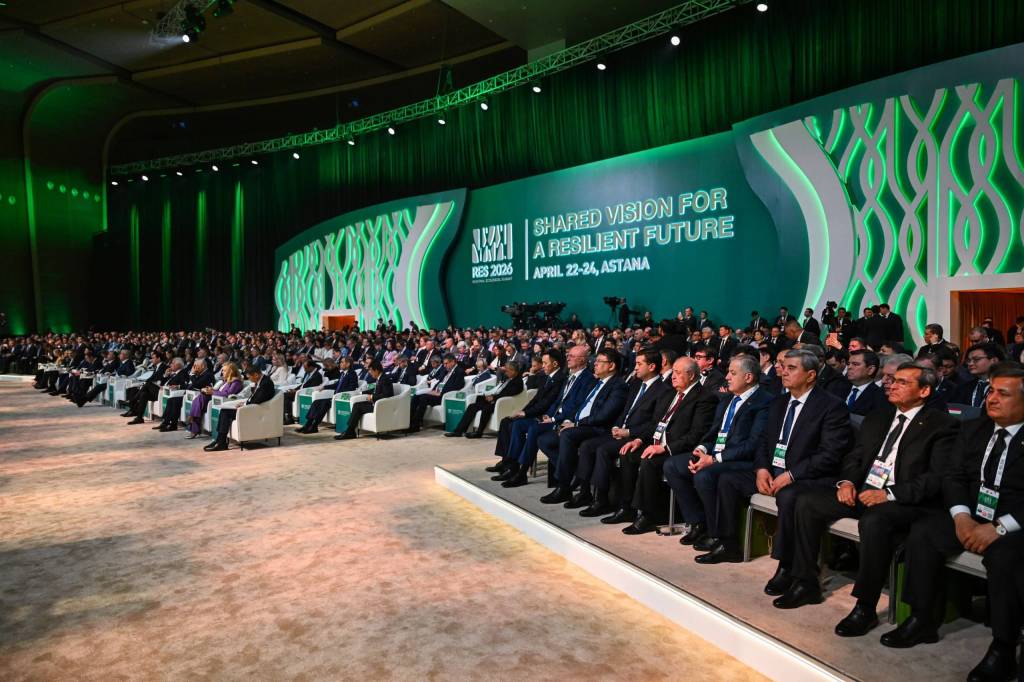
On April 22, the President of the Republic of Uzbekistan Shavkat Mirziyoyev took part in the opening ceremony of the Regional Ecological Summit, which is being held in Astana these days.
The event was also attended by the President of Kazakhstan Kassym-Jomart Tokayev, the President of Kyrgyzstan Sadyr Japarov, the President of Tajikistan Emomali Rahmon, the President of Turkmenistan Serdar Berdimuhamedov, the President of Mongolia Ukhnaagiin Khürelsükh, the President of Armenia Vahagn Khachaturyan, the Prime Minister of Georgia Irakli Kobakhidze, the Prime Minister of Azerbaijan Ali Asadov, as well as heads of international and regional organizations.
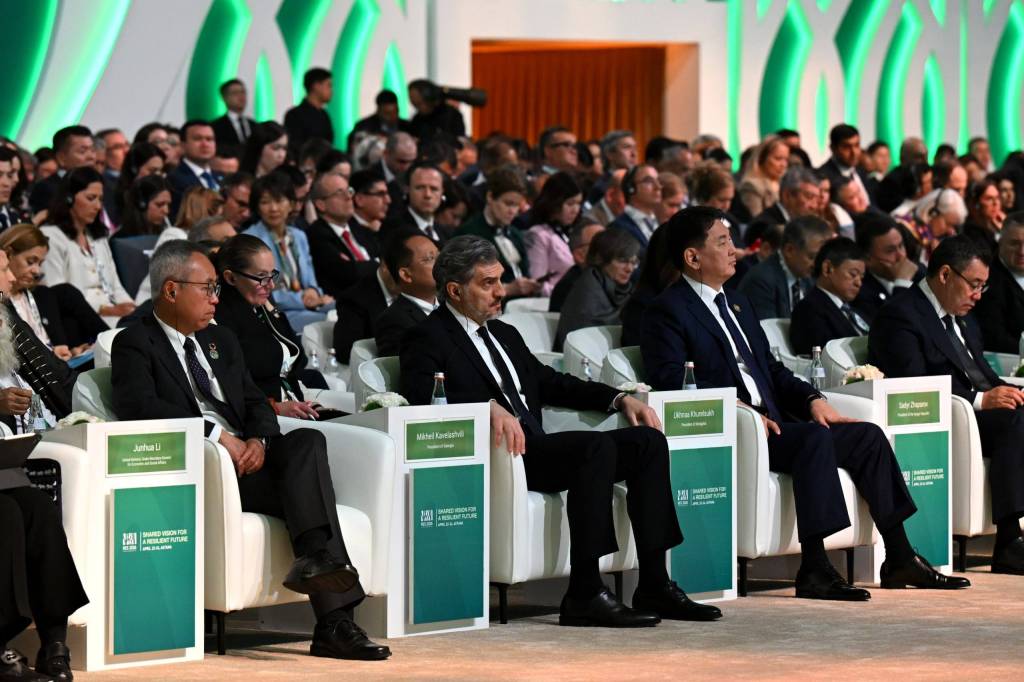
In his speech, the President of Uzbekistan, having sincerely congratulated the President of the Republic of Kazakhstan Kassym-Jomart Tokayev, on the successful organization of the summit, supported its main idea – “Shared Vision for a Resilient Future”, which emphasizes the deep interconnection of environmental challenges and the need for their joint resolution.
Noting that the current meeting is a logical continuation of the dialogue launched at last year’s Samarkand Climate Forum, the President of Uzbekistan Shavkat Mirziyoyev expressed satisfaction that environmental diplomacy among the Central Asian states has reached a qualitatively new level, acquiring a consistent and systemic character.
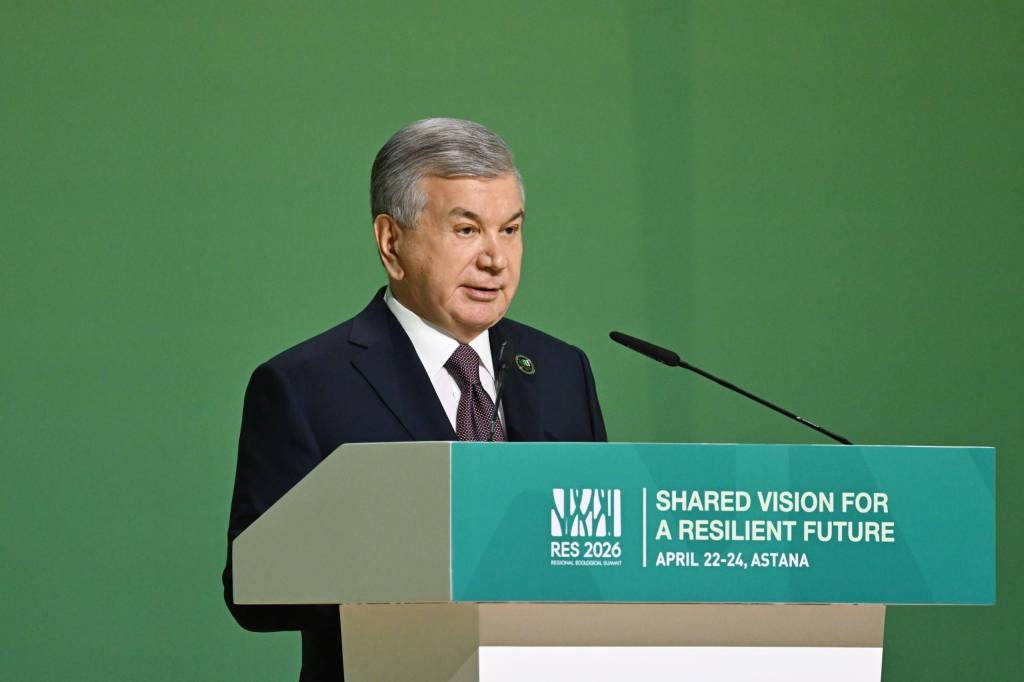
As the Leader of Uzbekistan Shavkat Mirziyoyev emphasized, environmental problems today cannot be considered in isolation from global climate change.
“The pace of global warming continues to accelerate, and in Central Asia, temperatures are rising twice as fast. Nearly one-third of the region’s glaciers have been lost, precipitation patterns are destabilizing, and water scarcity is worsening. Land degradation has already affected 80 million hectares”, the Head of State stated.
Concern was expressed about the erosion of global environmental solidarity. The importance of ensuring timely and equitable access for developing countries to climate finance, advanced technologies, and innovations was emphasized.
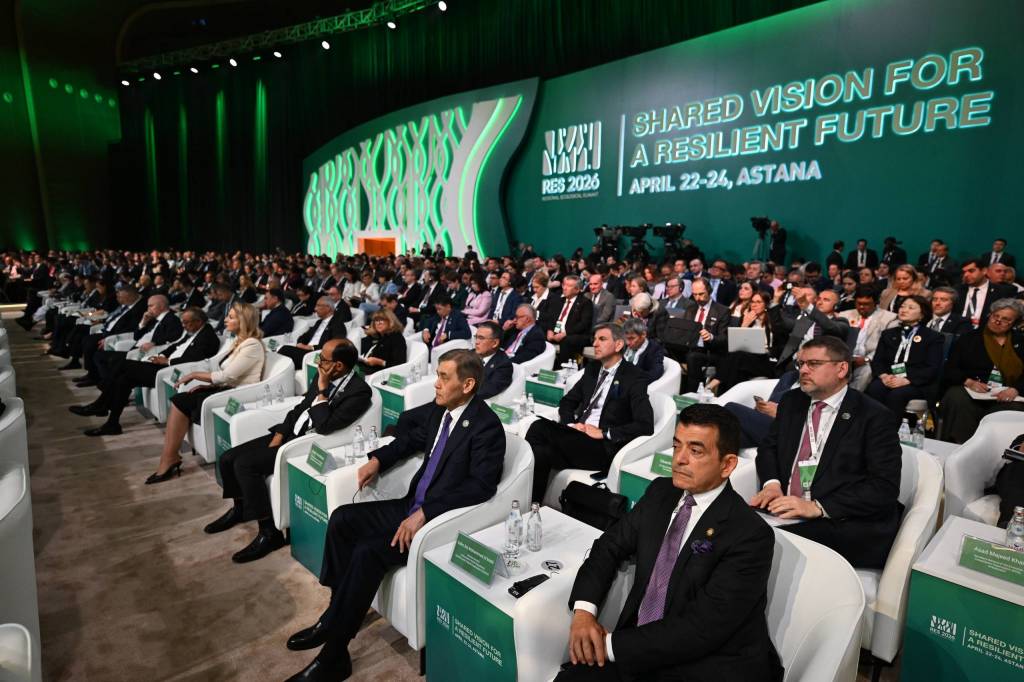
It was noted with satisfaction that the Central Asian states have succeeded in elevating environmental protection to a key priority for regional cooperation.
This is evidenced by the adoption of several key strategic regional programs aimed at advancing the green agenda, adapting to climate change, and protecting the environment.
The Head of State also focused on the systemic measures being implemented in Uzbekistan to build environmental sustainability.
“As part of the ‘Yashil Makon’ project, about 1 billion trees and shrubs have been planted. On the dried bed of the Aral Sea, forest plantations now cover more than 2 million hectares, and new ‘green belts’ are being created. At our initiative, the United Nations General Assembly adopted the resolution ‘Decade of Action for Afforestation and Reforestation’”, the Leader of Uzbekistan noted.
In addition, large-scale water-saving efforts have conserved 10 billion cubic meters of water each year. The share of green energy in the country’s generating capacity has reached 30 percent and is expected to exceed 50 percent by 2030.
Commitments under the Paris Agreement to reduce emissions by 35 percent have been met ahead of schedule, and a new target has been set – to cut emissions by half by 2035.
Projects for generating energy from waste are being actively implemented. This year, two new waste-to-energy plants will begin operations, with another nine to be launched over the next two years. Their commissioning will enable processing 5.5 million tons of waste annually, generating 2.2 billion kilowatt-hours of electricity, and reducing emissions by more than 1 million tons.
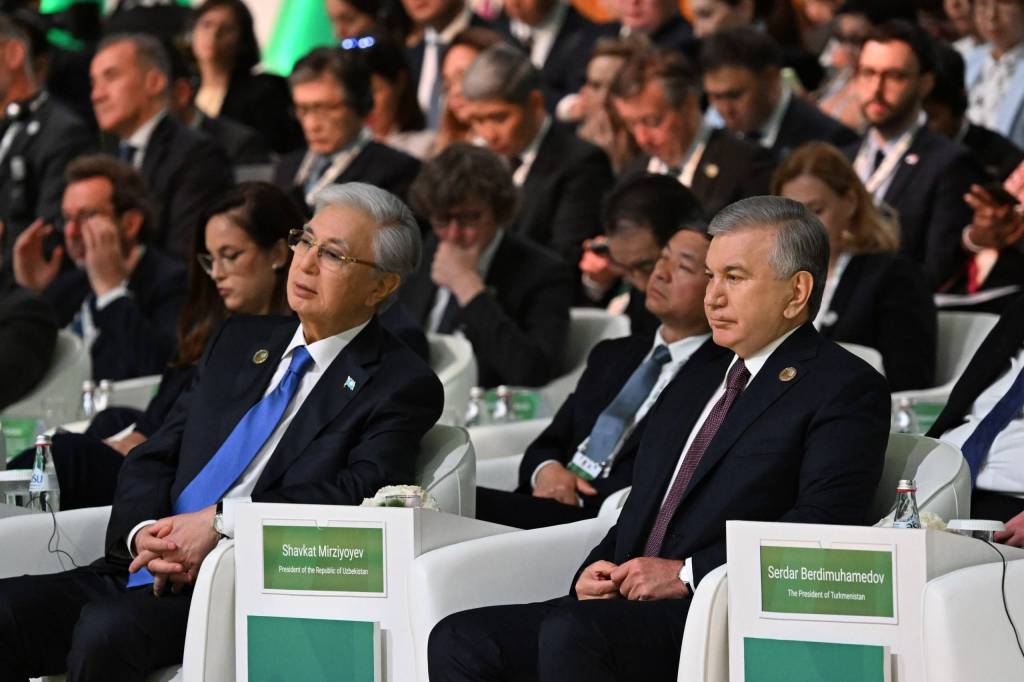
The President of Uzbekistan Shavkat Mirziyoyev then put forward several specific initiatives to address climate and environmental challenges in Central Asia.
In light of deteriorating air quality, it was proposed to establish an interstate consortium, “Clean Air of Central Asia”, which could serve as a joint operator for green financing to modernize industry and introduce emission control systems.
The President advocated granting regional status to the Center for Combating Desertification, Preventing Drought, and Early Warning of Sand and Dust Storms at the Green University in Tashkent. It was noted that consolidating scientific potential under the Center would enable the creation of a robust system for monitoring land degradation and salt-dust emissions.
To accelerate the technological transition, the “Green Trade Corridor of Central Asia” was established, introducing preferential customs regimes and mutual recognition of certificates for eco-friendly products.
The importance of creating a unified Investment Portfolio of climate projects in Central Asia was emphasized, as it would enable the presentation of a comprehensive regional development strategy and increase partners’ interest in their implementation.
A fundamental scientific and analytical basis that clearly reflects the dynamics of desertification processes, land degradation, and the state of water resources in the region could be a Unified Regional Atlas of Environmental Changes.
To preserve biodiversity, it was proposed to develop a Red Data Book for Central Asia, coordinated by the International Union for Conservation of Nature’s regional office in Tashkent.
To promote the climate agenda and environmental culture among the younger generation, readiness was expressed to host the World Youth Climate Forum in Uzbekistan in 2027.
Concluding his speech, the President of Uzbekistan invited those present to take part in the 8th Global Environment Facility Assembly and the World Forum on Water Conservation, which will be held in Samarkand this year.
UzA


